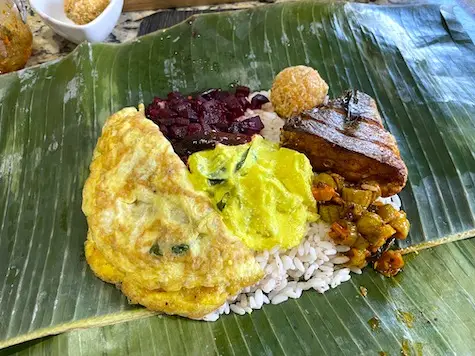
Searching for a wholesome, home-cooked breakfast often leads to a desire for something that feels like it came straight from a mother's kitchen rather than a sterile commercial assembly line. Based on the concept of homely prepared foods often found on platforms like seekon.in, here is a deep dive into why these meals are becoming the gold standard for a healthy morning routine.The Philosophy of "Homely" BreakfastsWhen we talk about "homely" food, we aren't just talking about a recipe; we are talking about an intention. Unlike restaurant food, which often prioritizes "crave-ability" through high levels of salt, heavy oils, and artificial enhancers, homely food focuses on sustenance and digestibility.On platforms like seekon.in, the emphasis is typically on:Minimal Oil & Spices: Using just enough to enhance flavor without causing mid-morning lethargy.Freshness: Prepared in small batches, often just hours (or even minutes) before delivery.Traditional Methods: Using stone-ground batters, hand-rolled flatbreads, and slow-cooking techniques that preserve nutrients.Classic Menu HighlightsThe beauty of an Indian-style homely breakfast is its diversity. Depending on the region and the specific "home chef" preparing the meal, you might find a variety of nutrient-dense options:1. The South Indian Staples: Idli and DosaThere is a reason why Idli with Sambar is frequently cited as one of the healthiest breakfasts globally.Probiotic Power: The batter is fermented overnight, which introduces beneficial bacteria to your gut.Steamed, Not Fried: Idlis are steamed, making them virtually fat-free and incredibly light on the stomach.The Sambar Balance: A vegetable-loaded lentil soup (Sambar) provides the necessary protein and fiber to keep you full until lunch.2. The Comfort of Poha and UpmaFor many, a bowl of Kanda Poha (flattened rice with onions) or Rava Upma (semolina porridge) is the ultimate comfort food.Poha: It’s rich in iron and easy to digest. When prepared at home, it’s often garnished with fresh coriander, a squeeze of lemon, and crunchy peanuts for a mix of textures.Upma: Made with roasted semolina and a tempering of mustard seeds and curry leaves, it’s a warm, savory start that feels like a "hug in a bowl."3. The Hearty ParathaIn Northern traditions, the Aloo or Paneer Paratha reigns supreme. While restaurant versions can be greasy, a homely paratha is usually roasted on a tawa with a light brush of ghee or butter. Pair it with a dollop of fresh curd (yogurt) and a small bit of pickle, and you have a balanced meal of complex carbs, protein, and probiotics.Why "Homely" Matters in 2026In an era where ultra-processed foods are linked to various health concerns, services that bridge the gap between "busy lifestyle" and "homemade quality" are essential.Health and DigestionHomely meals avoid the "hidden" ingredients of the food industry. You won't find MSG, excessive preservatives, or "improved" flour in a meal prepared by a home-based cook. This leads to better digestion and consistent energy levels throughout the day. As highlighted by Elle India, ingredients like Ragi and Moong Dal are unsung heroes that support gut health.Supporting Local EcosystemsBy ordering from platforms that deal in home-prepared foods, you are often supporting individual homemakers and small-scale entrepreneurs. It turns domestic skill into economic independence, ensuring that traditional recipes are preserved rather than lost to standardized fast-food chains.Customization and CareOne of the distinct advantages of homely food is the ability to customize. Unlike a rigid restaurant menu, home-style services are often more flexible:Spice Levels: Can be adjusted for children or the elderly.Dietary Restrictions: It’s easier to request "less salt" or "no onions" when the food is made to order in a real kitchen.The "Mother's Touch": There is a psychological benefit to knowing your food was made with care. This "affective" quality of food has been shown to improve the overall eating experience and satisfaction.
Conclusion:Breakfast is more than just the first meal of the day; it is the fuel that sets the tone for your productivity and mood. Choosing a homely prepared breakfast from a site like seekon.in ensures that you aren't just filling your stomach, but nourishing your body.Whether it's the fermented goodness of a South Indian Dosa, the fiber-rich warmth of Dalia, or the protein-packed punch of a Moong Dal Chilla, these meals offer a bridge back to a simpler, healthier way of eating. In a world that's constantly rushing, taking a moment to enjoy a meal that tastes like home is perhaps the best luxury one can afford.Do you have a specific regional preference for your breakfast, or are you looking for a particular dietary focus like high-protein or gluten-free?
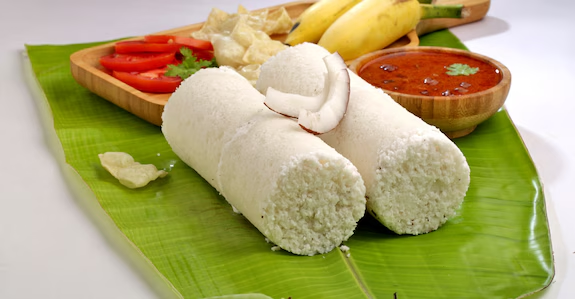
Lunch
Lunch in Thiruvananthapuram is a vibrant celebration of Kerala’s coastal geography and agricultural heritage. 1 Whether you are indulging in a grand vegetarian feast or a spicy seafood spread, the mid-day meal in the capital city is defined by the heavy use of coconut, local spices, and the staple red rice.The Midday Feast: A Deep Dive into Thiruvananthapuram’s Lunch CultureIf breakfast in Thiruvananthapuram is a gentle awakening, lunch is a grand, rhythmic celebration. In the capital city of Kerala, lunch isn't just a break in the day; it is a cultural anchor. Whether it’s a simple home-cooked Oonu served on a stainless steel plate or a magnificent Sadhya spread across a vibrant green banana leaf, the midday meal in this region is a masterclass in nutritional balance and Ayurvedic principles.The Anatomy of a Homely Thiruvananthapuram "Oonu"On platforms like seekon.in, the "homely" lunch experience is defined by the Kerala Oonu. Unlike the heavy, cream-laden curries of the north, a Thiruvananthapuram lunch is light, coconut-based, and designed to fuel you without the dreaded "food coma."1. The Foundation: Matta RiceThe soul of the meal is Rosematta rice (Palakkadan Matta). These bold, parboiled grains are earthy and nutrient-dense. Rich in fiber and minerals, Matta rice has a low glycemic index, making it the perfect sustained energy source for a productive afternoon.2. The Liquid Gold: Parippu and SambarA traditional lunch begins with Parippu (moong dal) drizzled with a teaspoon of fresh ghee. This is followed by the Thiruvananthapuram-style Sambar. What makes the capital's Sambar unique is the heavy use of roasted coconut paste (Varutharacha), giving it a dark, smoky, and deeply complex flavor profile compared to the watery versions found elsewhere.3. The Sides: Thoran, Mezhukkupuratti, and AvialThoran: Finely chopped vegetables (cabbage, beans, or yard-long beans) sautéed with grated coconut, mustard seeds, and curry leaves.Mezhukkupuratti: Vegetables like yam or raw banana slow-roasted with coconut oil, bird's eye chilies (Kanthari), and garlic.Avial: The king of sides. A thick mixture of diverse vegetables cooked in a curd and coconut base. In Thiruvananthapuram, Avial is prized for its creamy texture and the fragrance of raw coconut oil added at the very end.Coastal Treasures: The Non-Vegetarian PaletteBeing a coastal city, Thiruvananthapuram’s lunch is incomplete without the "Meen" (fish). The seafood here is often caught in the early hours at Vizhinjam or Shangumugham and makes its way to the kitchen by noon.Meen Thali: A staple for many locals, featuring a spicy, tangy fish curry made with Kudampuli (Malabar tamarind) and a side of crispy fish fry.The Kanthari Influence: Many home-style lunches in the region utilize the Kanthari Mulaku (Bird's Eye Chili). It’s not just for heat; it’s known for its medicinal properties, including cholesterol control and boosting metabolism.The Philosophy of "Slow Food" in a Fast WorldIn 2026, the move toward "Homely" food on seekon.in represents a rejection of the ultra-processed lifestyle.Health and LongevityThe ingredients used in a Thiruvananthapuram lunch—turmeric, ginger, garlic, curry leaves, and coconut—are the cornerstones of an anti-inflammatory diet. By sourcing meals from home-based chefs, you ensure that these ingredients are used in their purest forms, without the "hidden" additives of commercial kitchens.The Sustainability FactorHomely meals typically use seasonal, locally sourced produce. This reduces the carbon footprint associated with long-distance food transport and supports the local agrarian economy of Kerala. When you eat a meal prepared by a local homemaker, you are participating in a circular economy that values skill over scale.Why Choose a Homely Lunch via Seekon?Digestibility: The use of traditional fermentation and fresh spices means you won't feel bloated or sluggish.Authenticity: These are recipes passed down through generations—flavors that cannot be replicated by industrial machinery.Portion Control: Homely meals are typically balanced in macros—a mountain of fiber, healthy fats from coconut, and clean proteins.The Emotional Connection: There is an undeniable "soul" in food cooked in a home kitchen. It tastes of care, patience, and tradition.Lunch in Thiruvananthapuram is an invitation to slow down. It’s a reminder that even in the busiest of days, we deserve a meal that nourishes both the body and the spirit. By choosing a homely prepared lunch from seekon.in, you aren't just eating; you are preserving a way of life.Whether it’s the tangy zest of a Pulissery, the crunch of a Pappadam, or the soothing finish of Sambharam (spiced buttermilk), every element of this meal is a tribute to the "Taste of Thiruvananthapuram."